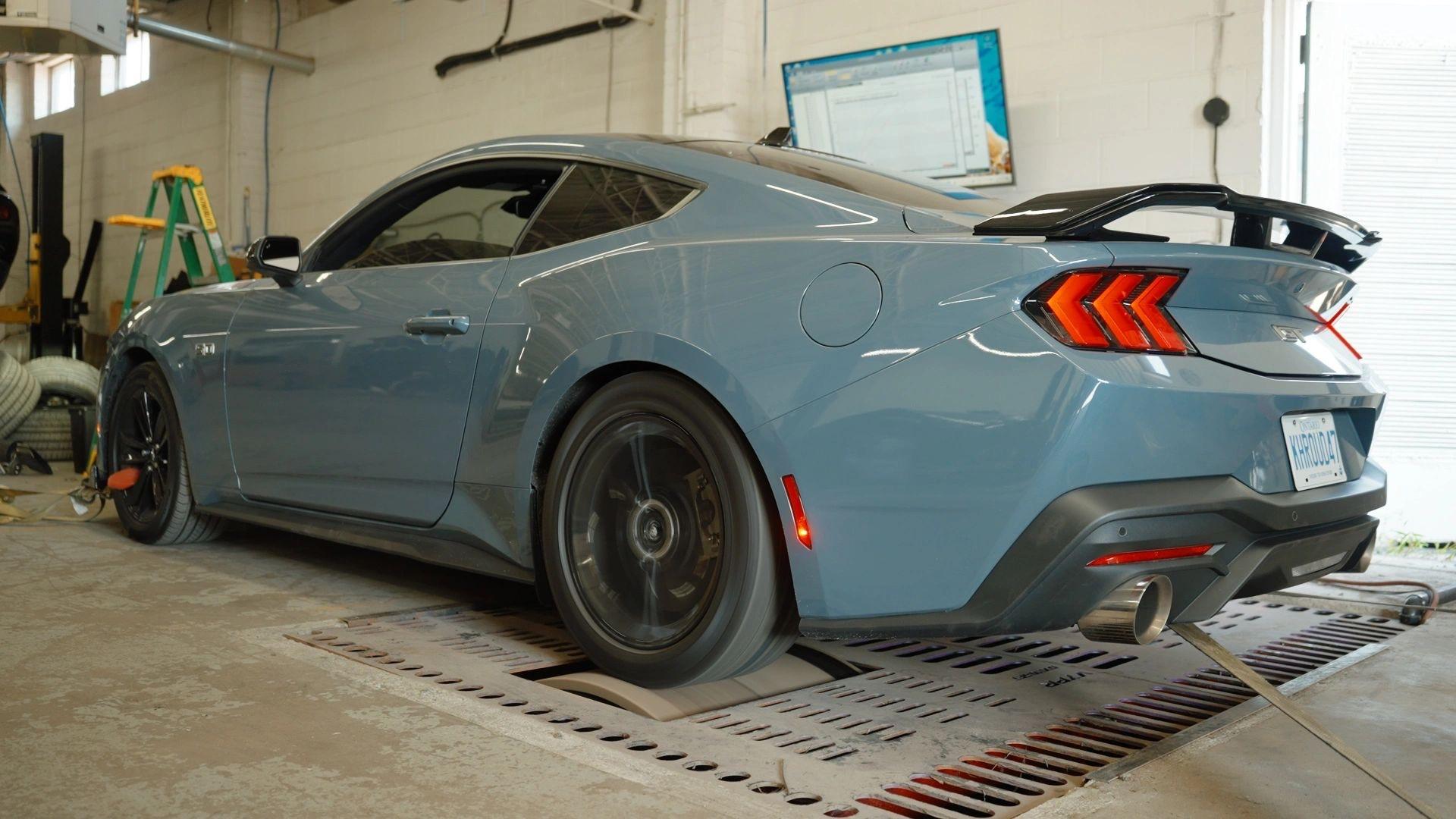
Stage 1 vs Stage 2 vs Stage 3 tunes: a quick guide
What each tuning stage means at VYPR, which mods each one expects, and how to pick the right stage for a daily driver, a weekend car or a track build.
· 2 min read · VYPR Performance, North York
Tuning stages describe how far a car has been modified, and the tune that matches. Here's the quick version; the full explanation is in The art of tuning a car.
Stage 1
For stock cars or light mods like an intake or catback. Modest gains, no major hardware. Good for daily drivers and warranty-conscious owners.
Stage 2
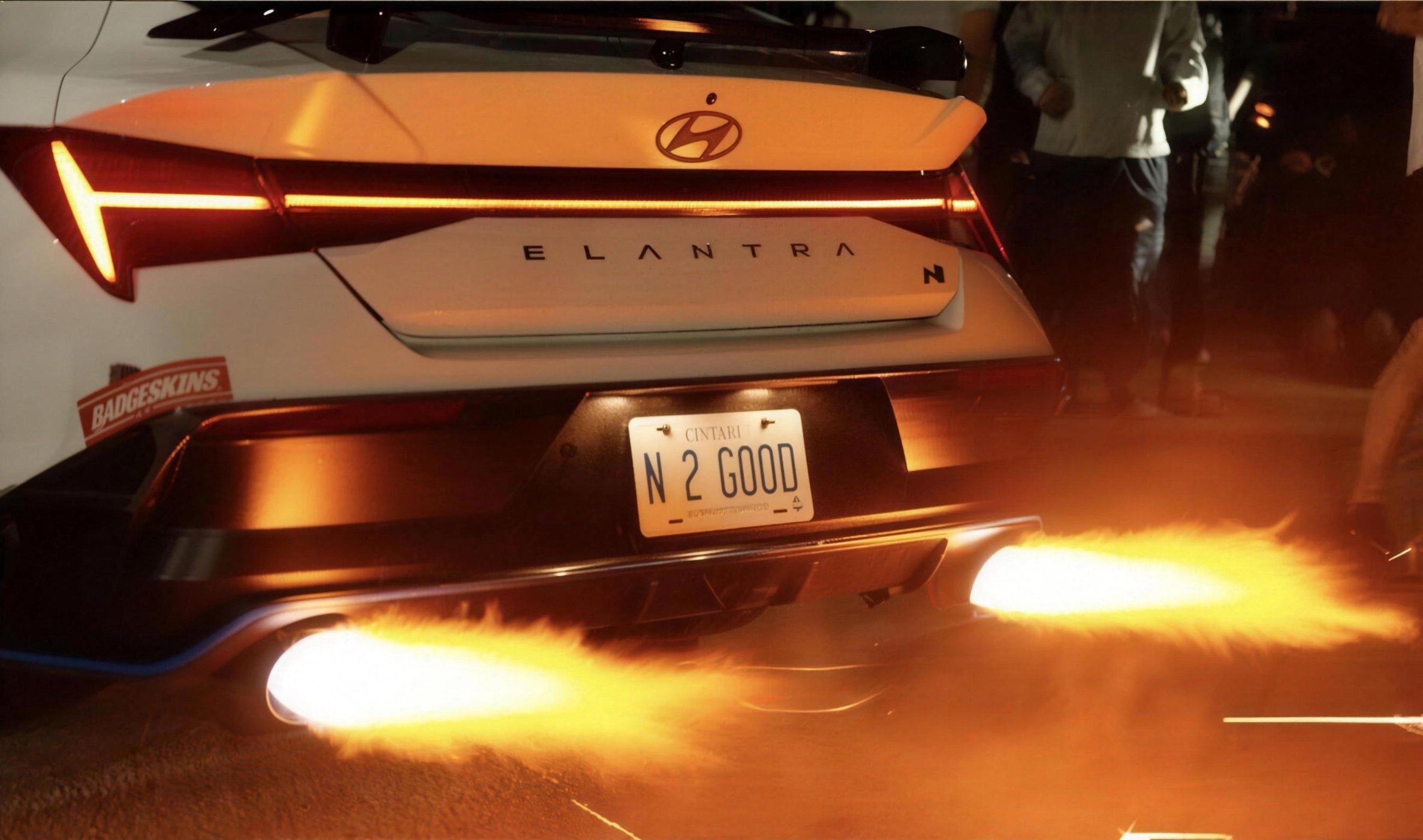
Needs the catalytic converter removed or a high-flow downpipe fitted. Big gains for the money, the sweet spot for most enthusiasts. Every flame kit needs a Stage 2 tune.
Stage 3
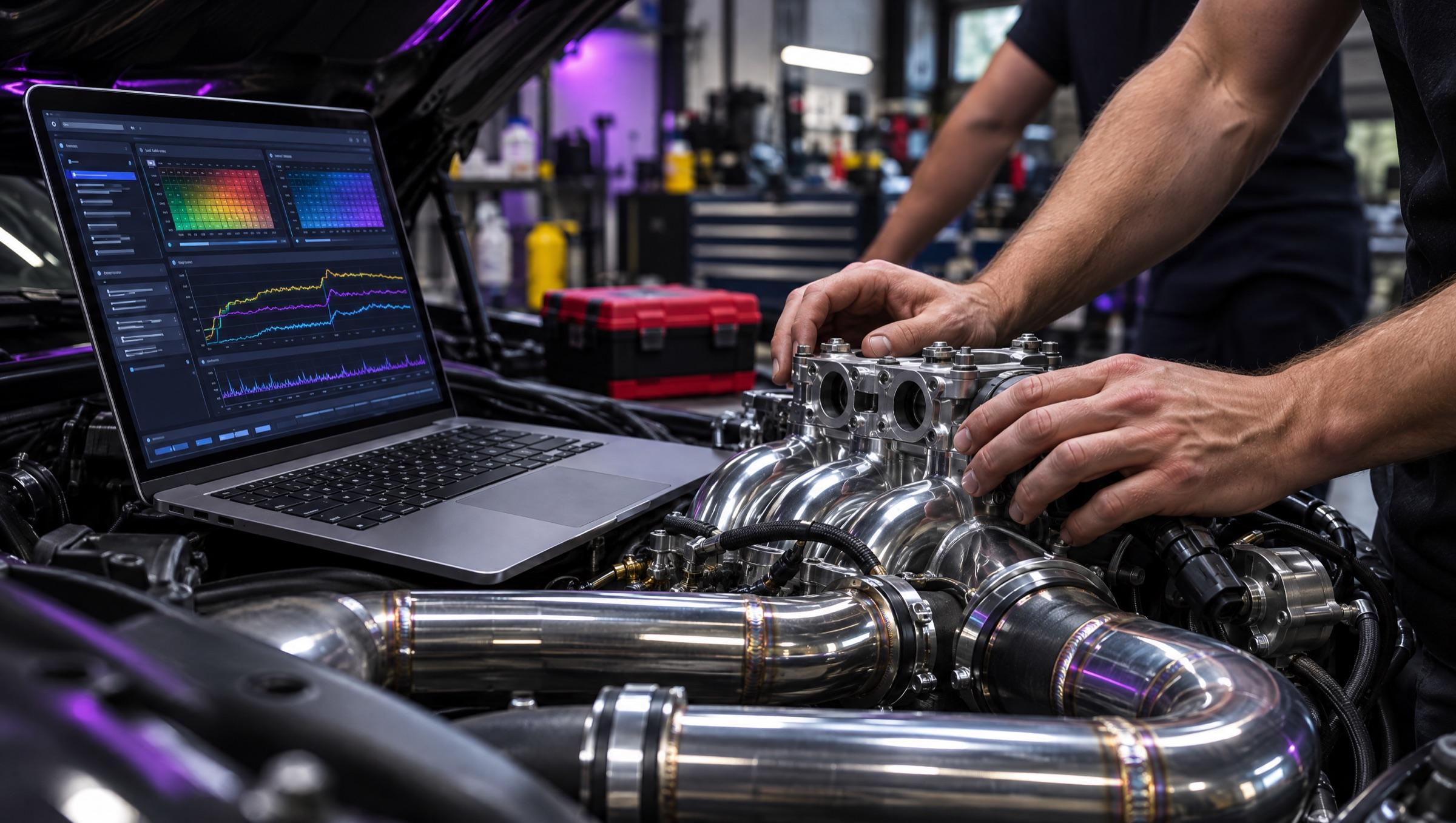
For heavily modified cars: bigger turbos, built engines, forged internals, meth injection. Done on our dyno with live data logging.
Not sure which stage your car is at? Tell us what's on it.